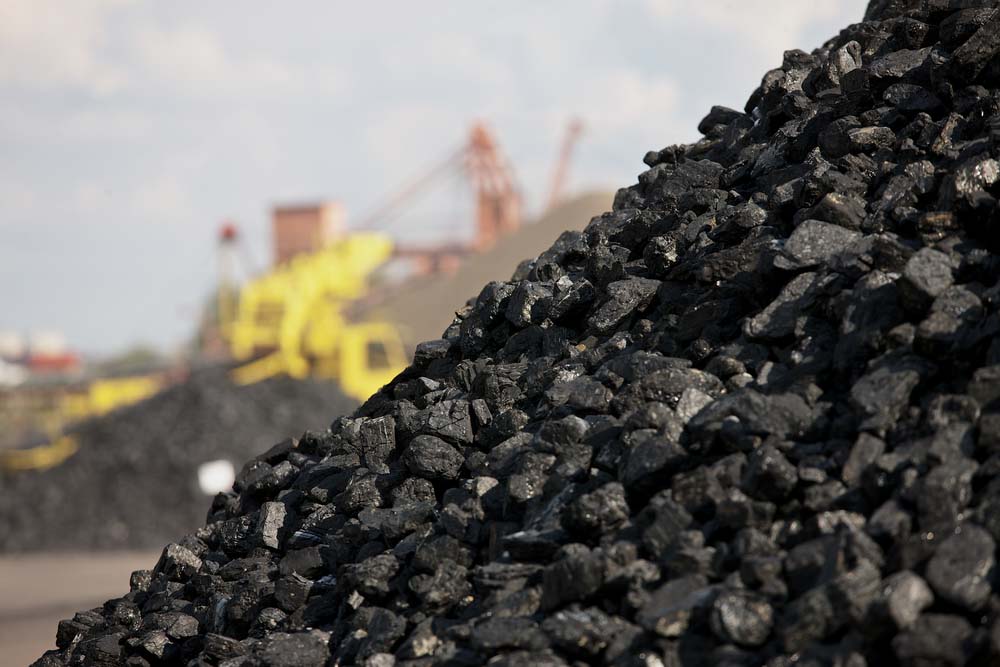
The New South Wales government will introduce emergency legislation to protect 400 jobs at MACH Energy’s Mount Pleasant coal mine in the Hunter Valley, providing financial certainty to regional families ahead of Christmas.
The intervention follows a High Court judgment on 7 October that created legal uncertainty regarding the mine’s operations.
Without legislative action, MACH Energy advised it would be forced to scale back production, putting hundreds of local livelihoods and supply chain businesses at risk.
Under the proposed Bill, the NSW government will authorise an annual production limit of 16.5 million tonnes until 2032, aligning with Mount Pleasant’s current operational profile and staffing levels.
In exchange, MACH Energy must sign a legally binding Jobs Guarantee to maintain its current permanent workforce of 826 employees and contractors until 2032 before receiving the statutory consent.
Premier Chris Minns noted the importance of safeguarding regional workers while balancing environmental commitments.
“At a time when families are doing it tough, the last thing they need is the uncertainty of losing their livelihood just before Christmas,” Minns said.
“Our commitment to tackling climate change hasn’t changed, but neither has our commitment to protecting working people.”
The legislation will also enforce strict conditions on the mine to minimise its Scope 3 emissions, bringing it into alignment with requirements set by the Independent Planning Commission and the NSW Coal Industry 2026-50 policy framework.
Minister for Natural Resources Courtney Houssos said a technical appendix will be published to guide planning authorities and industry on future Scope 3 emissions standards.
“Our NSW Coal Industry 2026-50 document now provides a clear framework for the industry to support jobs at existing mines and also address emissions.
“This issue – and the IPC consent – predates our government, and this framework.”
The site-specific intervention will not apply to any other resources projects, allowing MACH Energy to continue court proceedings to secure longer-term operational approvals through to 2048.