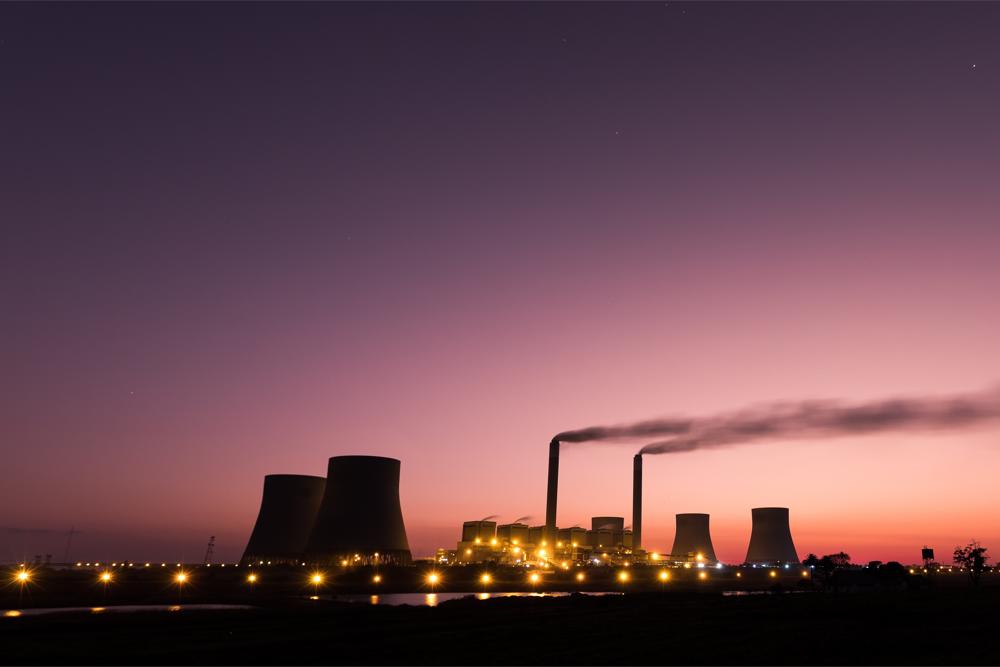
The International Energy Agency (IEA) has just released a report on global energy spending which outlines that the electricity sector attracted the largest share of energy investments in 2017, exceeding the oil and gas industry for the second year in a row.
Global energy investment came to a total of AU$2.4 trillion in 2017, which was a 2 per cent decline since the previous year, according to the ‘World Energy Investment 2018’ report. According to the document, the worldwide power generation sector accounted for most of this decline, due to fewer additions of coal, hydro and nuclear power capacity, which more than offset increased investment in solar technology.
The electricity sector was the largest recipient of global energy investment for the second year running, with more investments invested in networking and renewable power sources.
Government policies played a large role in driving private spending. The research found that across all power sector investments, over 95 per cent were based on regulation and government policies, often persuaded by energy performance standards. Government energy research and development (R&D) spending also increased by around 8 per cent in 2017, reaching an all-time high of AU$36 billion.
The report also found that after several years of growth, global investment in renewables and energy efficiency surprisingly declined by 3 per cent in 2017, with investments in renewable power also dropping by 7 per cent. The International Energy Agency shared fears that this will drop further in 2018. The agency’s current fears are associated with the reduction of global investments in relation to China’s recent solar policy changes.
“Such a decline in global investment for renewables and energy efficiency combined is worrying,” said Dr Fatih Birol, the IEA’s Executive Director. “This could threaten the expansion of clean energy needed to meet energy security, climate and clean-air goals. While we would need this investment to go up rapidly, it is disappointing to find that it might be falling this year.”
In terms of oil investments, it was noted that the total oil and gas upstream investment remained near record highs, a trend which is expected to persist for the remainder of this year. Upstream investment rose by 4 per cent (to AU$610 billion) in 2017 and is set to rise by 5 per cent in 2018. This is predicted to be driven by the US shale sector, which is also expected to grow by around 20 per cent.
“Investment in conventional oil and gas remains subdued, focusing on brownfield projects, and the share of greenfield projects in total upstream investment is expected to plunge to about one-third in 2018 – the lowest level for several years,” commented the International Energy Agency.
Regarding global coal investment spending, investment in coal supply declined by 13 per cent in 2017 to just below AU$108 billion, despite the more-than-doubling of thermal coal prices since early 2016. The International Energy Agency commented that this could be attributed to reduced spending in China.
The IEA report predicts that investment in LNG liquefaction plants will continue to plunge, falling to around AU$20 billion in 2018, attributing this to the fact that only three new LNG projects have been sanctioned since mid-2016. Trends show that ‘the oil and gas industry is shifting towards short-cycle projects and rapidly declining producing assets while expanding into the downstream sector and petrochemicals’.
Every year the World Energy Investment report seeks to provide a benchmark for governments, industry and decision makers to assist with setting frameworks, comprehensive business strategies and finance new projects. The World Energy Investment 2018 report and more information on this, can be found here.