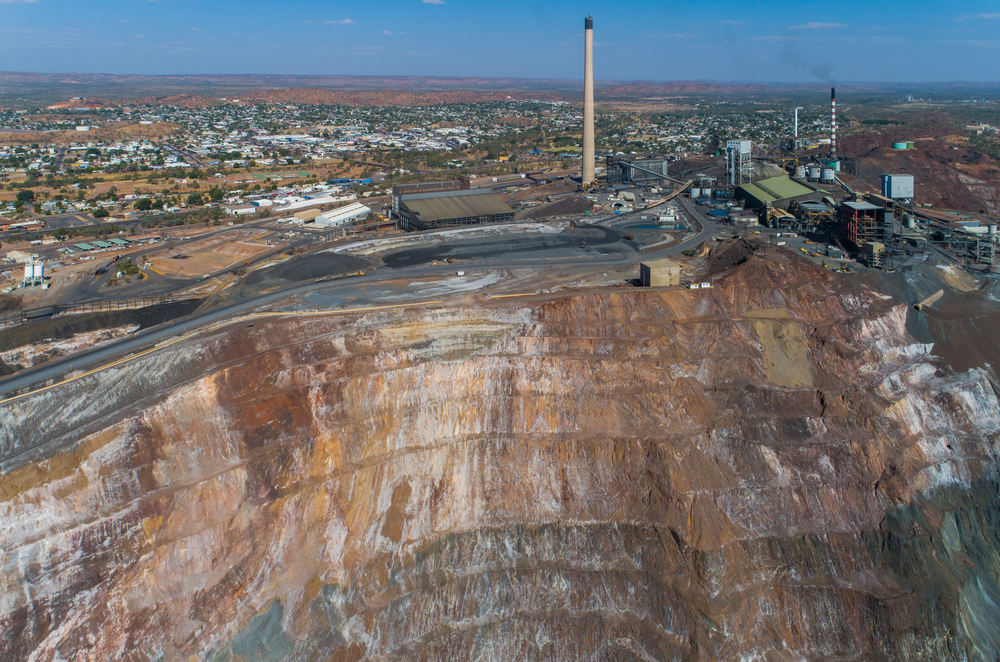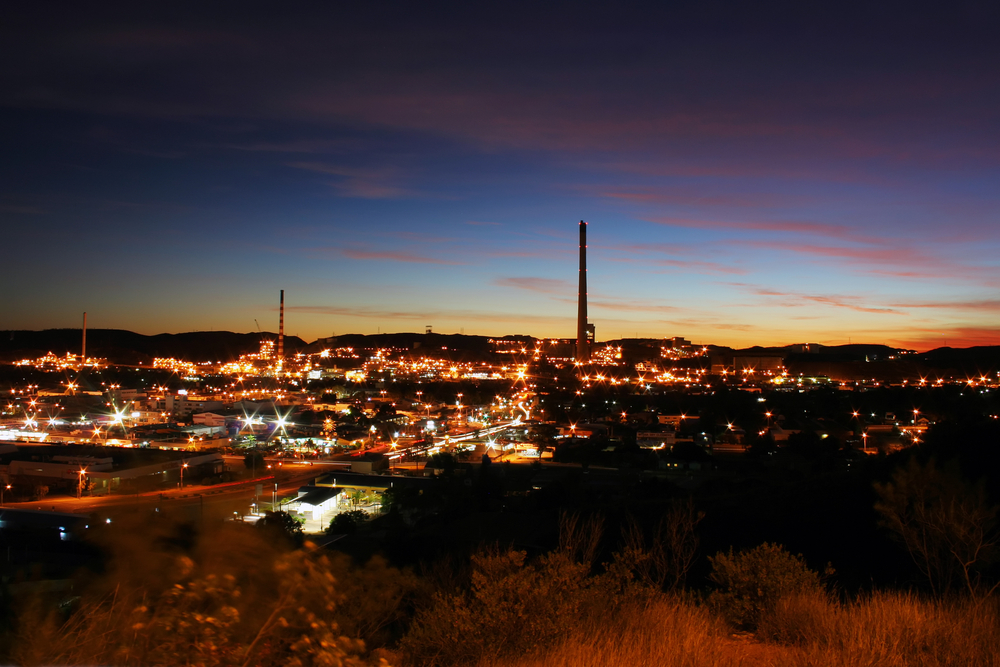
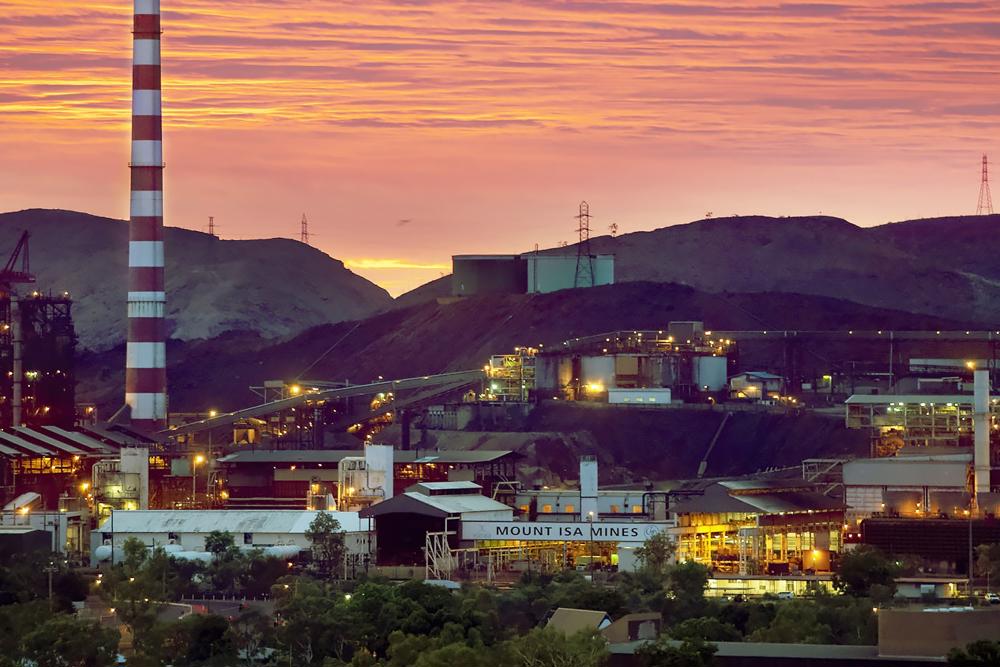
Mount Isa is poised to become the “Silicon Valley” of global critical minerals production following a landmark AU$600 million joint investment by the federal and Queensland governments to stabilise Glencore’s copper smelter.
In a recent roundtable discussion in Mount Isa, Queensland Minister for Natural Resources and Mines Dale Last, and Federal Minister for Industry and Science Tim Ayres, detailed the progress of a AU$600 million package designed to save the local copper smelter.
While the funding provides immediate stability for the next three years, the ministers emphasised that the real goal is long-term regional transformation.
“This should be the Silicon Valley of future critical minerals production in Australia,” Ayres declared.
“We are determined to craft a future for North West Queensland that is all about copper and critical minerals processing.”
Last said expressions of interest for a comprehensive Transformation Study opened last week. The study, due by September, will examine the entire copper value chain holistically to identify growth opportunities and necessary regulatory shifts.
Minister Tim Ayres highlighted that the investment is a cornerstone of the “Future Made in Australia” initiative.
Despite strong global demand for copper, driven by the shift toward net-zero technology, Australian facilities have struggled against unfair global market practices and low treatment charges.
The AU$600 million package serves as a catalyst for much larger regional investment.
Following the government’s lead, Glencore has committed to investing AU$2.5 billion over the next six years into its broader regional operations.
The plan also integrates vital infrastructure support, such as Queensland’s rail subsidies, which benefit not just Glencore but the entire network of contractors, suppliers, and refineries from Mount Isa to Townsville.
The ministers painted a bold picture of North West Queensland as a global leader in the green energy transition.
By leveraging massive reserves of critical minerals and rare earths, the region is set to diversify its trade partners, specifically targeting high-tech markets in the US, North Asia, and the European Union.