








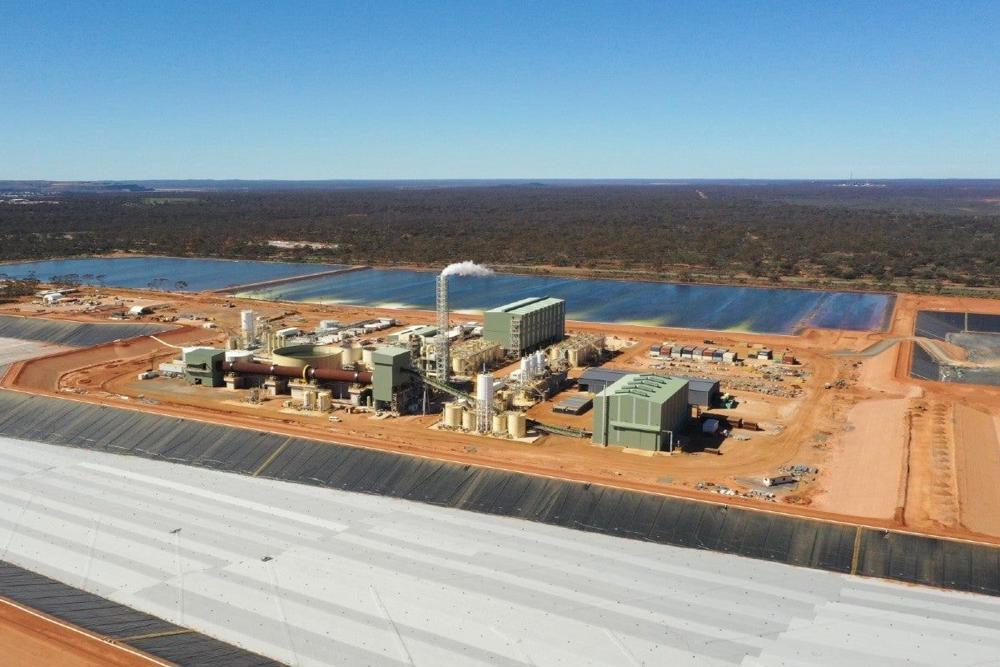
The greatest challenge Western Australia is facing is not resource depletion but how it can convert resource wealth into industrial competitiveness, according to a new report from the Bankwest Curtin Economics Centre (BCEC).
The report reveals that while the state’s resources sector remains an economic powerhouse, contributing nearly $200 billion annually and accounting for 44 per cent of economic activity, WA’s financial future remains dangerously exposed to global commodity cycles and single markets.
Iron ore alone accounts for $126 billion in output and more than 80 per cent of the state’s royalty revenue. Furthermore, four in every five export dollars earned by WA come from trade with China, highlighting a severe economic concentration.
Mining and petroleum royalties delivered almost $10 billion last year, representing 20 per cent of total state revenue.
The report warns that the global landscape is undergoing a profound structural transformation driven by rapid decarbonisation, technological disruption, and intensifying international competition.
It stresses that WA’s next phase of growth must be driven by creating value rather than merely increasing extraction volumes.
Fortunately, WA is exceptionally well-positioned to capitalise on the transition.
The state holds globally significant reserves of critical minerals like lithium and rare earth elements, supported by world-class mining expertise and abundant renewable energy potential.
According to the report’s accelerated scenario, critical minerals processing and value-added downstream industries could skyrocket to exceed $100 billion annually by 2050, up from roughly $20 billion today.
To secure long-term public value, the report recommends that state and federal governments urgently invest in enabling infrastructure, expand onshore downstream processing to boost local jobs, and proactively compete for global capital.
The report concludes that the state’s future prosperity will depend increasingly on how effectively it converts resource wealth into broader economic capability, industrial competitiveness, innovation, public value and intergenerational prosperity.


