






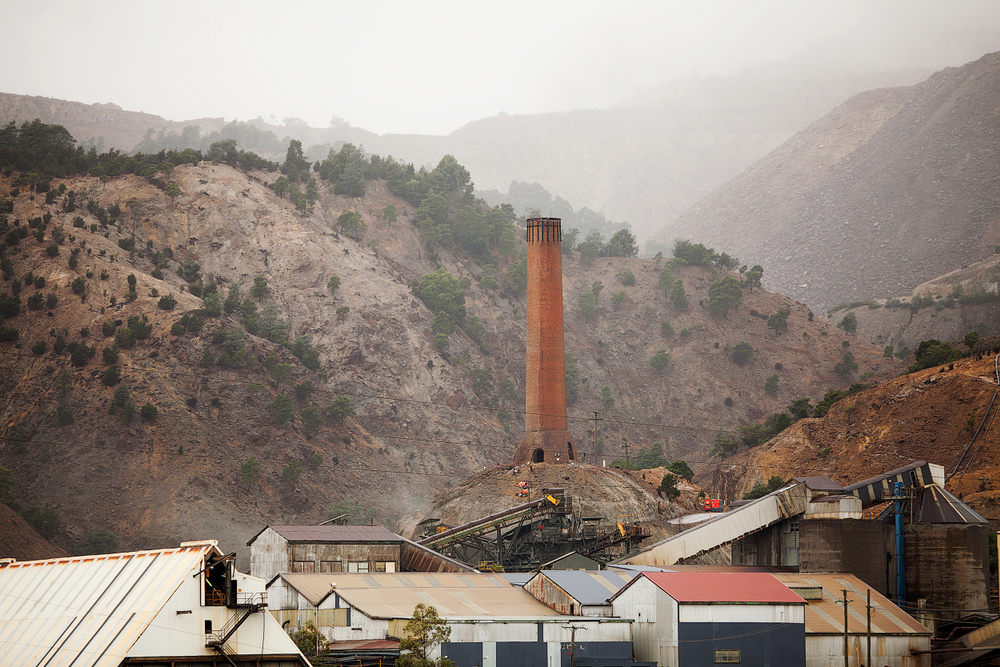
South African mining firm Sibanye-Stillwater has approved a multi-million dollar restart plan for the historic Mt Lyell mine in Tasmania, injecting new life into the mine after a decade-long closure.
Sibanye-Stillwater’s board approved the restart, which requires a total project capital of AU$490 million to refurbish the site.
Targeting first production in the first quarter of 2029, the mine offers a 23-year mine life and compelling returns for shareholders.
Mt Lyell was long considered the beating heart of the local economy before it was placed in care and maintenance in 2014, following a tragic six-week period during which three underground workers died and a subsequent rockfall damaged key infrastructure.
Sibanye-Stillwater, which acquired the site in 2023, confirmed the new operation will feature a schedule-driven mine design, refurbished shaft infrastructure, and increased automation to ensure safer underground operations.
The company will use existing infrastructure and renewable hydropower to support a lower-impact restart.
Modern water, waste and rehabilitation solutions are also being evaluated.
Tasmanian Minister for Business, Industry and Resources Felix Ellis hailed the announcement as a “generational win” for the region.
“After more than a decade in care and maintenance, today’s decision provides a clear path towards returning this iconic mine to production,” Ellis said.
“The restart will bring new investment, well paid jobs and long-term economic confidence.”
The Tasmanian government has actively backed the project under its 2030 Strong Plan, committing AU$9.5 million for early preparation works alongside a future AU$25 million support package delivered through royalty and payroll tax reimbursements once operations recommence.
West Coast Council Mayor Shane Pitt welcomed the green light, noting the town’s enduring resilience, ABC News reported.
“Before its closure in 2014, Mt Lyell was the beating heart of Queenstown, and its reopening will breathe new life into our region,” Pitt said.
The project boasts a 54.6 million tonne mineral reserve containing 478,000 tonnes of copper and 400,000 ounces of gold, powered primarily by local renewable hydropower.
