As International Women’s Day 2025 has passed, Australia reflects on its significant strides in tackling gender inequality while acknowledging persistent challenges in the workforce.
The country’s global ranking for gender parity has improved dramatically, jumping from 43rd in 2022 to 24th in 2024.
Australia now boasts the fourth highest level of tertiary-educated women among OECD countries.
Employers have also stepped up their efforts, with 68 per cent of businesses setting targets to increase women in leadership positions in 2024, up from 57 per cent in 2023.
Additionally, over half of employers successfully reduced their average gender pay gap.
Despite these improvements, disparities persist.
Only 63 per cent of women were employed or actively seeking employment towards the end of 2024, compared to 71.3 per cent of men.
Women over 55 face particular challenges, with employment prospects potentially as low as one in seven.
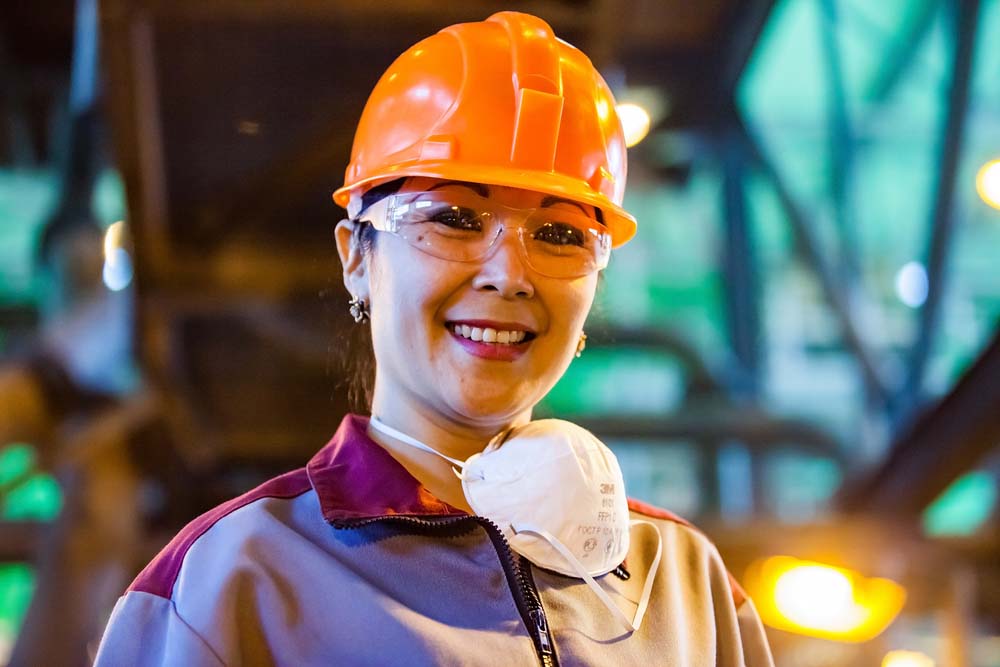
The construction industry, traditionally male-dominated, has seen some positive shifts.
One employment services provider reports that women now make up one-third of their job placements in a sector of the construction industry.
This progress challenges stereotypes and opens doors for women in non-traditional fields.
While Australia has made significant progress, experts emphasise the need for continued efforts to address remaining gaps in hours worked, industry wage disparities, underemployment, and working conditions.
As the country moves forward, maintaining the conditions that have led to this progress will be crucial in achieving greater gender equality in the workplace.