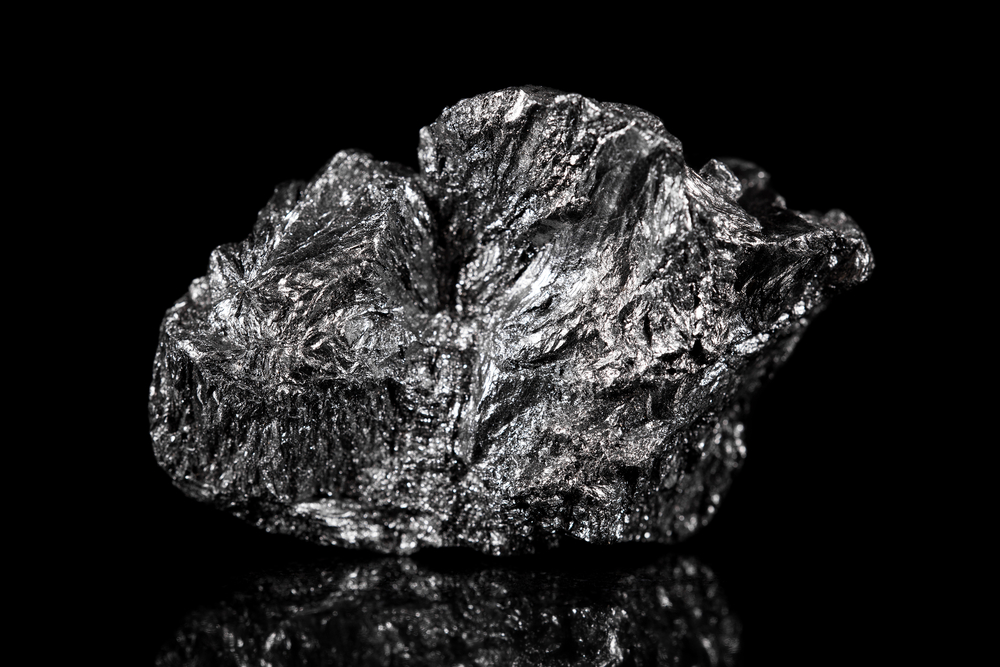

Evolution Energy Minerals Ltd. has purified graphite from its Chilalo project in Tanzania to battery-grade quality under a flagship European Union initiative, a project that can help secure Europe’s battery raw materials supply.
The company confirmed that a 280-kilogram bulk sample of natural flake graphite concentrate from Chilalo was upgraded from 95.7 per cent to 99.99 per cent carbon purity (4N). The result meets the stringent technical feed requirements for advanced lithium-ion battery systems.
Evolution Energy Minerals is the sole Australian partner and only primary natural graphite supplier within STREAMS, a 19-member consortium funded through the EU’s Horizon Europe research programme.
The €6.1 million project brings together European research institutes, universities, and industrial technology developers to build a self-sustaining battery materials supply chain across the continent.
With the initial purification milestone achieved, the purified Chilalo graphite will now advance through downstream testing phases, including shaping, surface coating, anode material manufacturing, and integration into pilot-scale 10 Ah battery cells.
The breakthrough comes as Europe seeks to address severe raw material vulnerabilities. Battery-grade graphite is listed as a strategic raw material under the EU’s Critical Raw Materials Act. The European Commission estimates the EU currently extracts less than 0.1 per cent of its domestic graphite requirements, while regional demand is projected to surge to 480,000 tonnes annually by 2030.
Evolution Energy Minerals Managing Director Craig Moulton said inclusion in the STREAMS program places the company at the forefront of Europe’s supply chain security drive.
“Being part of STREAMS places Chilalo inside Europe’s coordinated effort to secure its battery materials supply — and, as the consortium’s only graphite mine, EV1 sits at the very start of that chain,” Moulton said.
“The programme’s first purification result — upgrading a bulk sample from 95.7% TGC concentrate to 99.99% carbon — confirms the quality of Chilalo graphite in that pathway.
“The work now moves on to shaping, surface coating, anode-material production and pilot-cell testing.”