Lightning Minerals Ltd. has confirmed widespread, high-grade tungsten mineralisation from first-pass reconnaissance at its Warby project in North Queensland.
Initial rock chip assays from historical, turn-of-the-century workings have returned extraordinary values. Fourteen rock chip samples taken across eight individual vein systems yielded tungsten grades ranging from 750 parts per million (ppm) up to and exceeding 50,000ppm (greater than 5 per cent tungsten).
The results highlight strong continuity across a two-kilometre northwest-trending structural corridor, with 10 samples grading over 1 per cent tungsten and six exceeding 3 per cent.
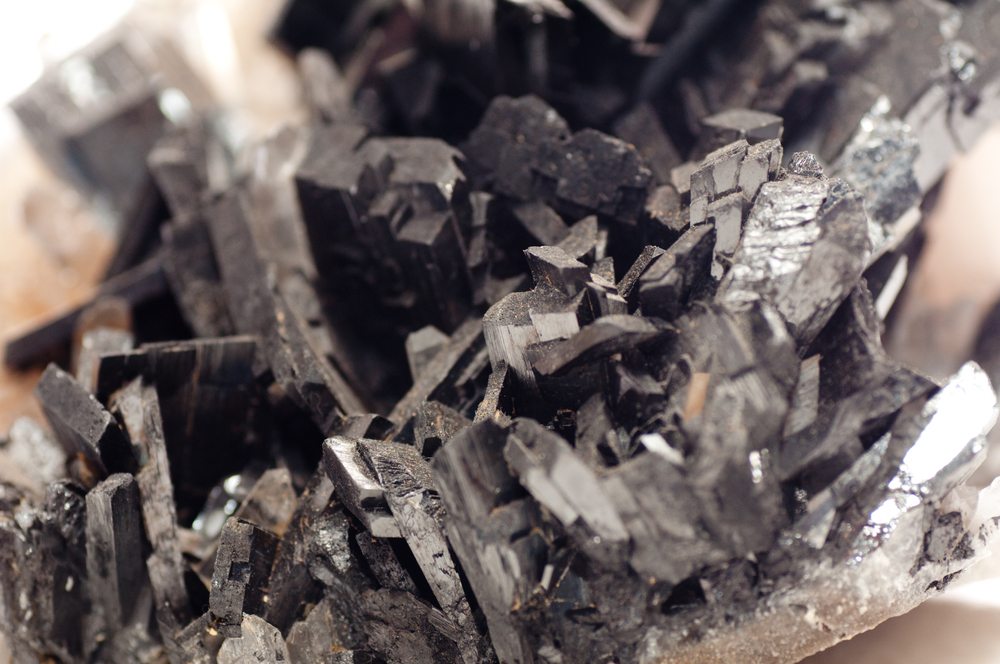
Standout assays include a peak result of over 5 per cent tungsten from historical tailings material associated with hand-sorted, wolframite-rich quartz veins. Individual quartz vein samples also delivered premium grades of 4.32 per cent, 4.29 per cent, and 4.03 per cent tungsten.
The high-grade mineralisation was identified within quartz veining, altered granitic host rocks, and greisen alteration zones.
The presence of tungsten within the host rock itself strongly supports the potential for a larger, intrusive-related mineralised system rather than isolated veins. The system is further supported by elevated coincident values of bismuth, tin, and copper.
The Warby Project sits within the Meso-Proterozoic Lyndbrook Complex, adjacent to the Angor Granite, a regional geological suite highly decorated for tin-tungsten mineralisation.
Despite its clear potential, the area has never undergone modern, systematic exploration, and much of the zone remains concealed by dense vegetation and limited outcrop exposure.
Tungsten is globally classified as a critical mineral due to its extreme hardness and strategic importance across the defence, aerospace, and advanced manufacturing sectors.
Lightning Minerals CEO Troy Brice said: “The initial assay results are a strong outcome from our first-pass work at Warby and confirm widespread high-grade tungsten mineralisation across multiple historical workings.
“This gives us confidence there is considerable scope to define the scale and continuity of the mineralisation.”
The company will undertake follow-up exploration programs third quarter of 2026 to execute detailed geological mapping, infill drainage geochemistry, and systematic soil sampling to define future drill targets.