The WA mining and resources sector continues its progress in increasing diversity and inclusion in its workforce with the release today of the latest edition of The Chamber of Minerals and Energy of WA’s (CME) Diversity and Inclusion Report.
Built on survey results from more than 40 CME member companies, the report provides a snapshot of diversity across the sector, including gender diversity, the participation of Aboriginal and Torres Strait Islander peoples, LGBTQIA+ initiatives and work being undertaken to improve the representation of people with disability, culturally and linguistically diverse people and people with caring responsibilities.
CME CEO Rebecca Tomkinson said the report was a valuable indicator of both the progress industry had made so far and the work that was still to be done.
“From a gender diversity perspective, the data in comparison to previous reports shows that there is progress,” Ms Tomkinson said.
“Since 2013, the proportion of women in the mining and resources workforce has increased from 18.8 per cent to 21.5 per cent.
“Since our last survey in 2019, there has been an increase in female participation of 1.3 per cent and from 2015 the increase is nearly 3 per cent.
“These increases have occurred while the sector’s overall workforce has continued to grow, including a 12.7 per cent increase to more than 157,704 people since 2020.
“From 2013 to 2021, the percentage of women working as machinery operators and drivers rose from 11 per cent to 17 per cent, the percentage of women in technician and trade roles grew from 7.5 per cent to 11.4 per cent and the percentage of female managers increased from 15 per cent to 20.7 per cent.
“It’s a similar story for women in board roles, which has increased from 11.1 per cent in 2015 to 24.4 per cent.
“But those numbers are still not high enough, and the vast majority of the boards in the WA resources sector still comprise of more than 90% men.
“Our ultimate aim is for our workplaces to reflect our community and that means gender parity. We need to keep working towards that and increase the speed at which we get there.
“We know that improving the diversity and inclusivity of our workplaces makes them safer for everyone, and that’s a challenge we are very actively working to meet.
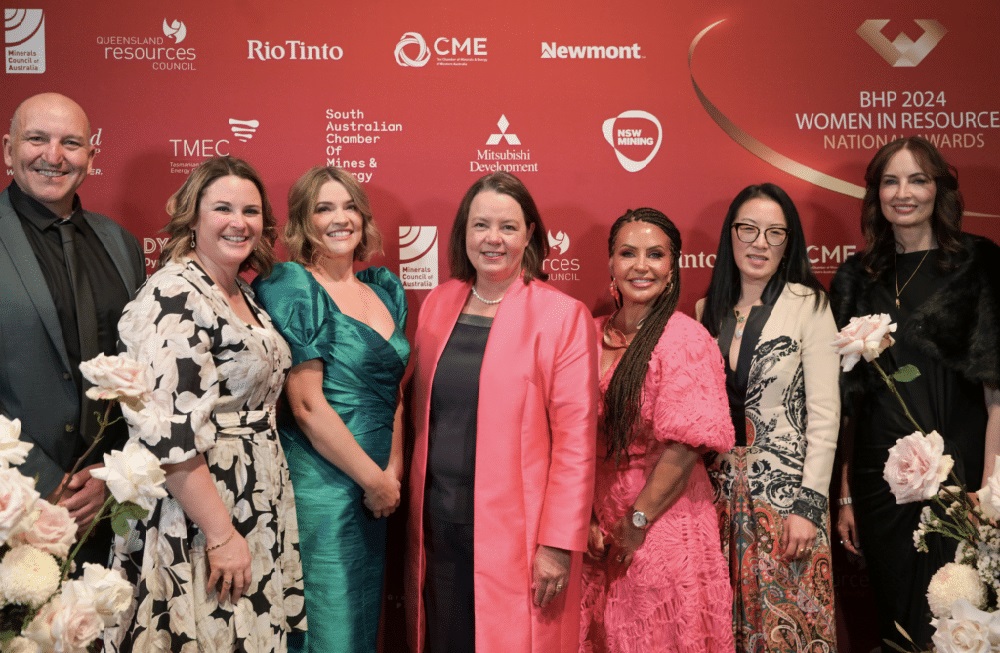
“Our 14th Annual Women in Resources Awards will be held later this month, celebrating the power of gender diversity, while our Inspiring Girls Careers Forum continues to attract hundreds of high school students to hear first-hand about the exciting career opportunities available to women in our sector.
“Across the breadth of the CME membership, there is also a wide range of work being undertaken at company level aimed at attracting and retaining talented women, including ever-evolving flexible work policies and practices and childcare initiatives that help parents return to work after having children.
“The fact that 11.5 per cent of all women are part-time employees indicates these efforts across the sector are having a positive impact.”
Ms Tomkinson said the report was an important step in helping the WA mining and resource sector target continuous improvement across diversity and inclusion in all forms.
“It’s pleasing to see that the participation of Aboriginal and Torres Strait Islander peoples has risen by 0.5 per cent since our 2019 survey, now making up 5.2 per cent of our workforce,” Ms Tomkinson said.
“That’s a higher figure than the all-industry average but it’s a figure we know we can improve on, particularly as it relates to management roles.
“The case studies showcased in the report demonstrate a commitment from our sector to not just providing jobs for Aboriginal and Torres Strait Islander people and communities, but also providing them with skills and training opportunities that will equip them to contribute to a range of industries.
“Indeed, one of the strongest features of this report is the variety of success stories – both individual and from a company perspective – with a focus on broadening diversity and inclusion within the WA resources sector.
“By highlighting these stories, we hope that other companies will be inspired to carry through the learnings into their activities.
“We recognise that there is no one-size-fits-all approach to this, but the sharing of best practice can only benefit those who are seeking to create a more diverse and inclusive workforce.”
Ms Tomkinson said the report would help CME member companies and the wider mining and resources sector plan future diversity and inclusion initiatives.
“While the data in this report shows some pleasing aspects of progress, we don’t shy away from the fact that there remains much work to be done,” Ms Tomkinson said.
CME will commence work on the 2023 Diversity Survey later this year, with data from this survey to be compiled for release in 2024.