South Korea has joined the Powering Past Coal Alliance and committed to closing 40 coal-fired plants by 2040.
South Korea made the announcement to join the global coalition of over 180 national and subnational governments, businesses and organisations working to advance the transition from unabated coal power generation to clean energy at the UN Climate Summit COP30 in Brazil. The country is the second in Asia, after Singapore, to join the coalition.
South Korea pledged not to build any new unabated coal plants as part of its membership in the PPCA. The country also reaffirmed its plan to close 40 existing coal-fired units by 2040, out of itsOut of 61 existing coal power plants.
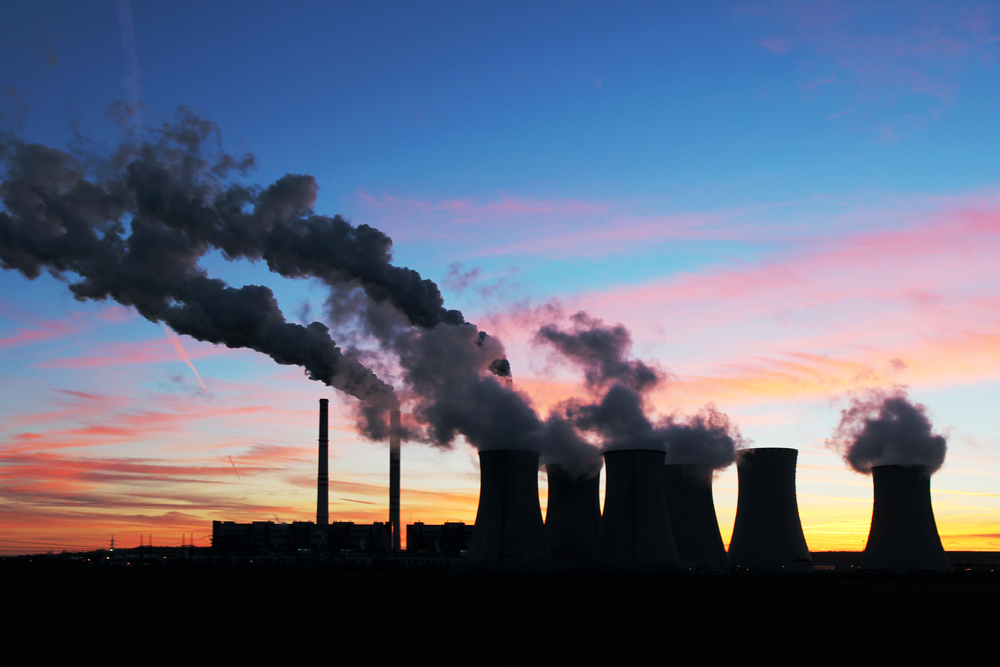
The Republic of Korea currently operates the seventh largest coal fleet in the world but the share of coal generation has decreased from 42.5 per cent in 2015 to 30.5 per cent in 2024. However, it still represents a significant source of emissions, and several new coal units have only begun operation in the last few years.
The PPCA aims to phase out unabated coal power, which are plants that do not use technology to reduce greenhouse gas emissions.
The Korean government said it will decide on the country’s remaining 21 coal units after a public consultation,with and a detailed plan is expected in 2026.
“The coal phaseout is not only necessary for the climate but also beneficial for energy security, corporate competitiveness and job creation not only for South Korea but all other countries,” said Climate Minister Kim Sung-hwan.
“By joining the PPCA, we are demonstrating the Republic of Korea’s commitment to accelerating a just and clean energy transition. “Through the Alliance, we will kickstart our coal phase-out, as well as help the Alliance advance the coal transition worldwide. “The shift from coal to clean power is not only essential for the climate. It will also help both the Republic of Korea, and all other countries increase our energy security, boost the competitiveness of our businesses, and create thousands of jobs in the industries of the future.”