
Alpha HPA Ltd. has launched a capital raising of AU$225 million to support the construction and commercialisation of stage 2 of its HPA First Project in Queensland.
Alpha HPA plans to issue 300 million new shares priced at 75 cents per share to raise AU$226 million.
The proceeds from the capital raising will fund the continued development of the HPA First Project Stage 2 towards commercial operations, allowing Alpha HPA to be uniquely positioned to meet growing demand from the semiconductor sector.
Alpha HPA Managing Director Rob Williamson said: “The capital raising supports construction and commercialisation of Stage 2 of the HPA First Project and unlocks further capacity from Stage 1, positioning Alpha for growth.”
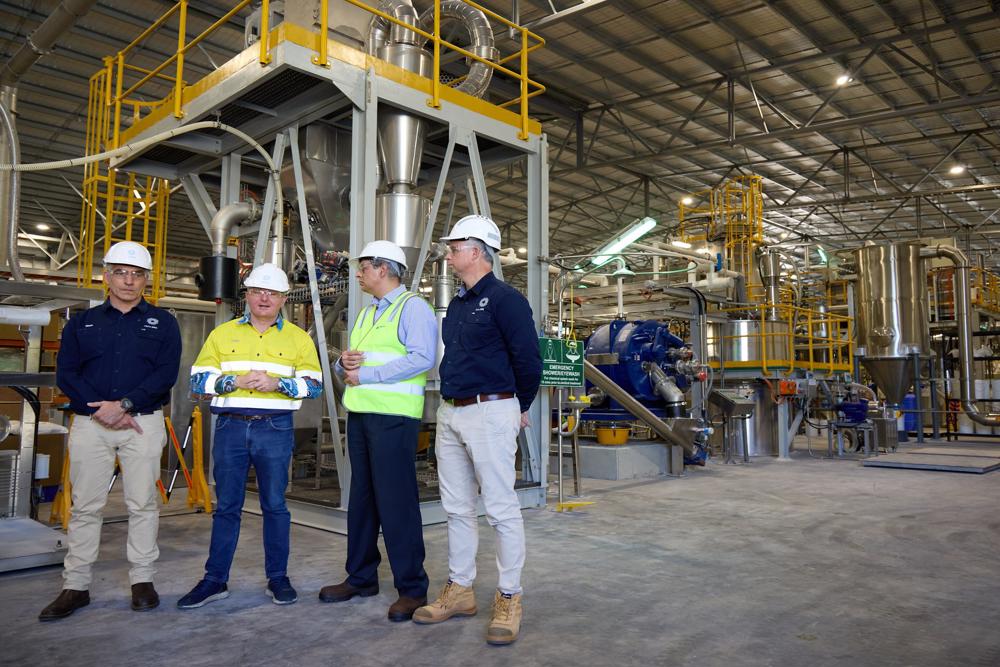
The first stage of the project involves the first commercial application of the company’s proprietary licensed solvent extraction and refining technology to produce high-purity aluminium products.
The process delivers near-zero waste, low-emissions production to produce aluminium products for Australia’s manufacturing sector.
The project is designed to operate on 100 per cent renewable electricity.
Additionally, Alpha HPA has secured a AU$75 million investment from the National Reconstruction Fund Corporation (NRFC), committed through a $225 million funding round.
Williamson said the investment is a strong endorsement of the company’s strategy and role in building manufacturing capability in Australia.
“High Purity Alumina is a critical input into semiconductors, lithium-ion batteries and pharmaceutical manufacturing, where ultra-high purity materials are essential for performance, safety and reliability.
“Our Gladstone HPA First Project positions Australia as a trusted supplier into diversified global supply chains,” Williamson said.
NRFC CEO David Gall said its investment reflected the strategic and national importance of Alpha HPA’s project.
“This investment backs a truly innovative Australian company while also strengthening Australia’s economic security and supply chain resilience around a critical material that is essential to the future economy,” Gall said.