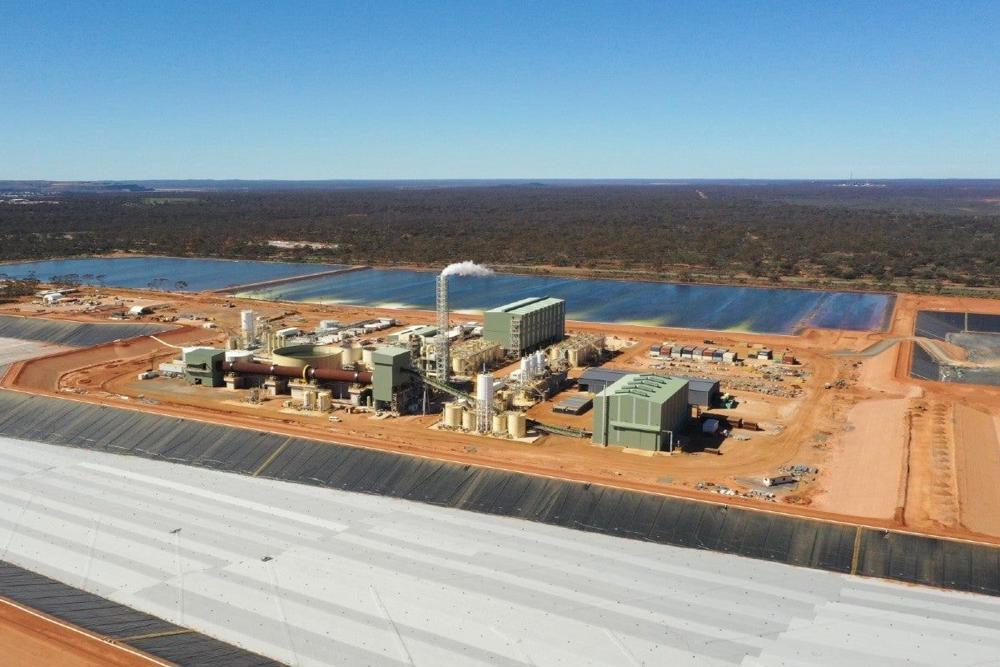

The Northern Australia Infrastructure Facility (NAIF) has approved up to $50 million in funding to support the expansion of the Butcherbird manganese project, unlocking jobs and bolstering Western Australia’s economy.
The investment will enable Perth-based Element 25 to triple its production of manganese concentrate to 1.1 million tonnes per annum, injecting an estimated $909 million into the Pilbara’s Gross Regional Product over the mine’s 18-year life.
Manganese, a metal on the Australian government’s Critical Minerals List, is vital for steel and alloy production and is increasingly important for emerging battery technologies.
The Pilbara, already renowned for its iron ore and gas industries, also hosts significant manganese deposits, positioning the region as a key player in Australia’s critical minerals strategy.
The expansion is expected to create approximately 150 construction jobs and 230 operational roles, with Element 25 committing to a minimum 10 per cent Indigenous employment target and at least 5 per cent of its workforce recruited locally from the Pilbara.
Minister for Resources and Northern Australia, Madeleine King, welcomed the development, stating: “The Pilbara is the engine room of Australia’s economy and projects like this will ensure that engine keeps running for many years to come.
“This project is creating jobs, driving the economy of the Pilbara, and delivering outcomes for First Nations Australians.”
The NAIF loan forms part of a broader $500 million commitment to developing Australia’s critical minerals sector, with other projects under consideration involving rare earths, vanadium, lithium hydroxide, high-purity alumina, and silicon.
To date, NAIF has invested $4.4 billion in 32 projects across Northern Australia.
Minister King added: “I believe the Butcherbird manganese project will be another in a long list of success stories stemming from the NAIF’s investments.”
The NAIF loan remains subject to standard financing conditions and government approvals.